
Sustainability in Electrify 2026
The Electrify division develops and manufactures products for the electrification and expansion of critical infrastructure, including electrical connectors, enclosures, cabling, technical buildings, fiber splicing and solutions for improved road safety. The companies’ focus on electrification and infrastructure contributes to a safer society and to the green transition.
Material sustainability issues
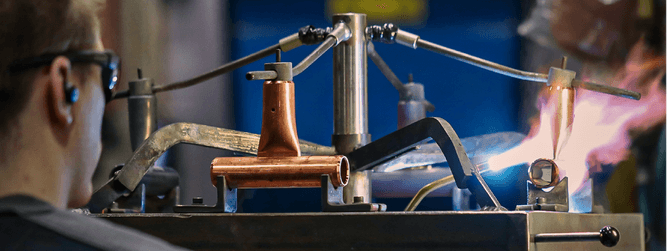
A significant part of Electrify’s environmental impact arises in the supply chain through the companies’ purchasing of materials, primarily from the production of steel and aluminium. Against this background, the adaptation of the supply chain forsteel products is a priority issue for the division, with the goal of reducing CO2e intensity in the manufacturing process. It is also important from a business perspective to safeguard competitiveness and minimise risks linked to, for example, carbon pricing. The work environment and safety are also priority areas as the division has a high proportion of manufacturing companies. The production units are mainly located in the Nordic countries, mostly in Sweden. An increased proportion of renewable electricity and implemented energy optimisation measures – including modernised factory ventilation and optimised painting operations at Elkapsling – have significantly reduced the climate impact. Some companies have washing processes linked to surface treatment, where the use of environmentally friendly washing systems in closed facilities minimises the impact on the local environment.
Comments on the year’s performance
The reduction in emissions in the division from own production was due to both reduced consumption and the transition to renewable electricity. The results show that targeted measures at the unit level have a measurable effect and can serve as a reference for other companies within the Group. In 2025, Scope 3, which accounts for 98% of the division’s emissions, was in line with the previous year. The impact of reduced air freight was offset by increased purchases of materials. The injury rate temporarily increased as a result of a one-off work-related accident; other accidents during the year have been minor and production-related. Short-term sick leave hasdecreased during the year, but long-term sick leave has increased.
Future activities
Going forward, the phasing out of fossil-based heating and continued reduction of air freight will be prioritised. Several areas have been identified for sourcing of raw materials with a lower CO2 footprint, with plans for a commercial roll-out. The companies are intensifying their preventive safety work, with an increased focus on risk observations and safety inspections.